Transforming Biomass into Clean Biofuel
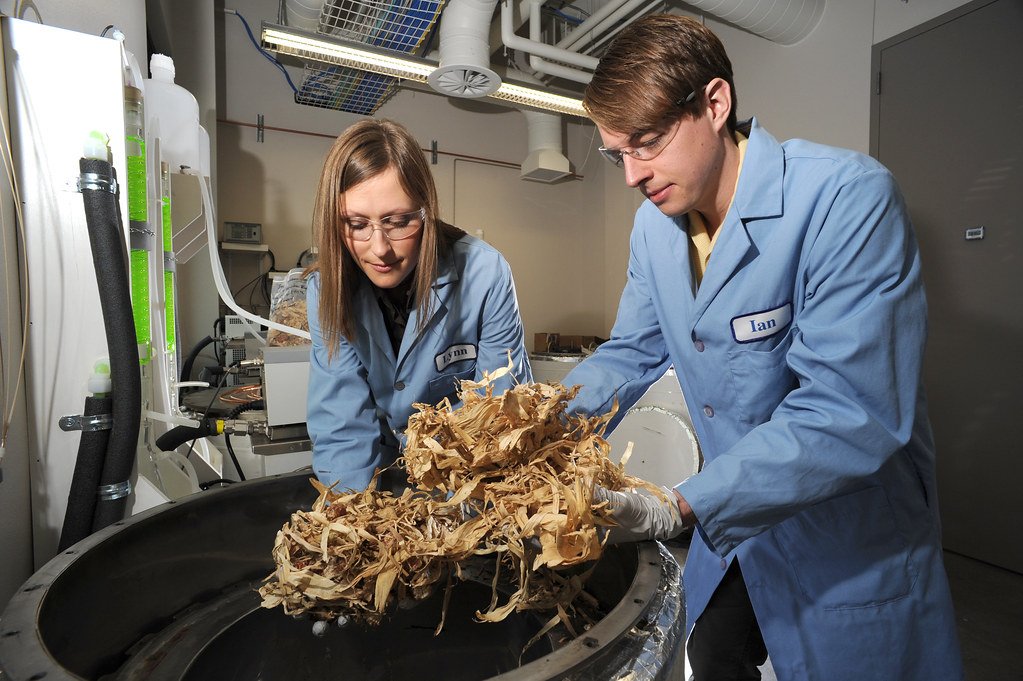
Alternative energy research at Unicorn-Biotech focuses on developing clean biofuel and biogas from microalgae and organic wastes. Our advanced laboratory evaluates chemical conversion pathways, microbial fermentation efficiency, and lipid yields to optimize sustainable fuel production. We collaborate with energy firms and municipal facilities to develop eco-friendly energy solutions that reduce greenhouse gas emissions and enhance resource circularity.
Sample Harvesting
Collecting microalgae and organic biomass from source basins.
Fermentation
Optimizing microbial culture conditions inside our bioreactors.
Refinement
Extracting pure biofuels and measuring energy output parameters.
These bioenergy services focus on the technical optimization of biomass conversion, including reactor design, enzyme selection, and purification protocols. A detailed laboratory report lists all energy yield parameters and chemical properties.
Biomass Characterization
Evaluating moisture, carbon, and hydrogen content of incoming organic waste samples.
Algal Lipid Analysis
Measuring total oil yield from microalgae strains to optimize extraction efficiency.
Biogas Yield Audits
Determining methane potential from anaerobic digestion of municipal sewage sludge.
Thermal Value Tests
Measuring energy density and combustion characteristics of refined biofuels.
Frequently asked Questions
Bioenergy and alternative fuels are critical components of a sustainable future. Our laboratory provides the testing services, pilot-scale audits, and chemical verification needed to implement bio-methane and algal biofuel plants efficiently and safely.
Agricultural wastes, food processing residues, and municipal wastewater sludge offer high methane potential and are ideal feeds for anaerobic digestion systems.
Microalgae synthesize lipids that are extracted and converted into biodiesel through transesterification, using specialized chemical catalysts in our laboratory.
Yes, we test wood pellets, straw, and agricultural briquettes for ash content, moisture level, and calorific value to ensure compliance with quality standards.
We monitor volatile fatty acids, pH, and ammonia levels inside digestors to prevent process imbalances and maximize biogas production rates for operators.